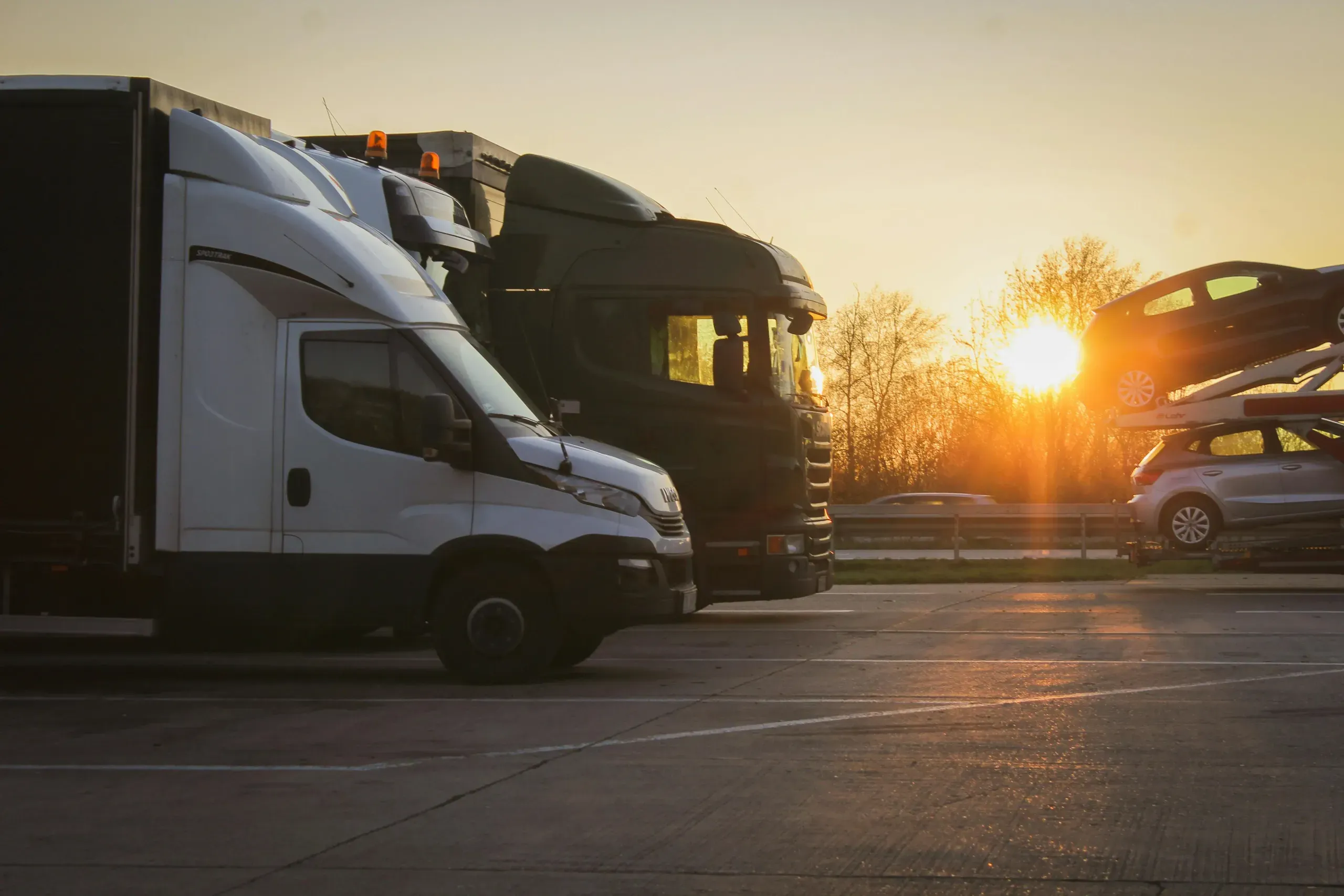
Ship Car from Arizona to South Dakota
Shipping a vehicle from Arizona to South Dakota covers approximately 1,247 miles along the I-25 North corridor, with a typical carrier transit time of three to five days. Whether you are relocating for work, managing a vehicle purchase, or assisting a family member, coordinating this transport requires careful planning. This guide covers everything you need to know, including realistic cost expectations, how to verify a professional carrier, the documentation required for a successful pickup, and answers to common questions about the shipping process from start to finish.
- No-obligation quote within 2 minutes
- Price all-inclusive
- No charge until driver confirmed
- Distance
- 1,247 mi
- Transit time
- 3–5 days
- Open carrier from
- $1,400
How much does it cost to ship a car from Arizona to South Dakota?
For a 1,247-mile trip from Arizona to South Dakota, you can typically expect open transport to cost between $1,400 and $1,875, while enclosed options range from $2,675 to $3,575, with transit usually taking three to five days. Because Ship Car Pros acts as a referral service, we connect you with vetted independent carriers who bid on your specific shipment through our network. Your final price is influenced by several variables, including vehicle size, current fuel costs, seasonal demand, and your specific pickup and delivery zip codes. There are seven key factors that determine where your final price lands, ranging from the type of trailer you choose to how much flexibility you have in your pickup window. We will break these down in the sections that follow.
What factors affect car shipping cost?
Several variables influence the final rate for your shipment from Arizona to South Dakota. Understanding these components helps you gauge your quote more accurately.
- Vehicle dimensions and weight: Larger trucks and SUVs require more trailer space and increase fuel consumption.
- Transport type: Enclosed trailers provide extra protection but cost significantly more than standard open carriers.
- Pickup and delivery flexibility: A wider, four-to-seven-day pickup window allows carriers to optimize their routes, often reducing your cost.
- Seasonal demand: High-traffic periods like the summer or winter snowbird season increase competition for limited carrier space.
- Route accessibility: Deliveries to major metro hubs are generally more affordable than remote, rural locations off the main interstate.
- Vehicle operability: Vehicles that cannot roll, steer, or brake require specialized loading equipment, which adds to the total labor and time.
Ship Car Pros helps you navigate these factors to find the most efficient carrier for your move.
Open vs. enclosed car transport: which should you choose?
Choosing between open and enclosed transport comes down to your vehicle's value and your specific protection needs. Open transport is the industry standard, used for about 85% of all shipments. It is the same method used to deliver brand-new cars from factories to dealerships. If you are shipping a daily driver, a standard SUV, or a commuter car, open transport is the most efficient choice, with a typical cost around $1,558.
Enclosed transport provides a fully sealed environment that protects your vehicle from road debris, dust, and harsh weather. Because this service requires specialized equipment and is more limited in availability, it typically runs around $2,980. This premium option is best reserved for classic cars, high-end luxury vehicles, or custom builds with low ground clearance that require extra care during loading. If your vehicle is a high-value asset, the added peace of mind is well worth the investment.
- Open carrier
- $1,400–$1,875
- Standard 7–10 car hauler.
- Enclosed carrier
- $2,675–$3,575
- Sealed trailer for high-value vehicles.
How long does it take to ship a car from Arizona to South Dakota?
Shipping your vehicle over the 1,247-mile route from Arizona to South Dakota typically takes between three and five days of transit time. This timeframe accounts for the driver’s daily progress, which is balanced against mandatory rest periods and the time required for loading and unloading other vehicles along the way. While we provide these estimates based on standard carrier schedules, factors like mountain terrain, weather conditions, or unexpected traffic can occasionally influence arrival dates. We always recommend planning your logistics with a bit of extra cushion to account for any unforeseen delays. The next sections will detail how to prepare your vehicle and what to expect during the final delivery.
Which routes do carriers usually take?
Carriers typically route this 1,247-mile journey by heading north through Arizona’s scenic high country before connecting to the primary interstate arteries. After departing Arizona’s major metro hubs-where pickup density is highest-drivers generally navigate toward I-25 N. This corridor serves as the backbone for the climb through the Rockies, providing a reliable, multi-lane path that bypasses the most restrictive mountain passes and narrow tunnels found on smaller regional highways. Once the route clears the mountainous terrain, carriers transition onto the open plains of the Midwest to complete the final stretch into South Dakota. This path prioritizes high-clearance interstates over complex secondary roads, ensuring a steadier transit for your vehicle.
What can delay your shipment?
While most shipments travel smoothly, external factors can occasionally shift your estimated delivery window. On the I-25 North corridor, winter storms can create significant hazards; heavy snow and ice accumulation near mountain passes often force temporary closures to ensure driver safety. Additionally, summer monsoons in the Southwest can trigger flash flooding, causing localized delays. Pickup timing is also subject to carrier availability, especially around weekends and holidays when driver activity decreases. If you are coordinating an auction pickup, ensure all gate passes and lot numbers are ready, as missing documentation is a common source of delays. These variables are a normal part of long-haul logistics on this route.
Popular Routes
Major city-to-city routes on the Arizona → South Dakota corridor.
| From | To | Approx. distance | Transit |
|---|---|---|---|
| Phoenix, AZ | Sioux Falls, SD | ~1,080 mi | 4-6 days |
| Tucson, AZ | Pierre, SD | ~1,020 mi | 4-6 days |
| Mesa, AZ | Hartford, SD | ~1,060 mi | 4-6 days |
| Chandler, AZ | Rapid City, SD | ~880 mi | 3-5 days |
| Gilbert, AZ | Aberdeen, SD | ~1,100 mi | 4-6 days |
| Glendale, AZ | Brookings, SD | ~1,110 mi | 4-6 days |
| Scottsdale, AZ | Watertown, SD | ~1,100 mi | 4-6 days |
| Peoria, AZ | Mitchell, SD | ~1,030 mi | 4-6 days |
| Tempe, AZ | Yankton, SD | ~1,020 mi | 4-6 days |
| Surprise, AZ | Huron, SD | ~1,060 mi | 4-6 days |
How does shipping a car from Arizona to South Dakota work?
Shipping your vehicle from Arizona to South Dakota follows a straightforward three-stage process: your initial quote request, the vehicle pickup, and the final delivery. First, you provide us with your route and vehicle details to receive an all-inclusive quote. Once you confirm, we match your shipment with a vetted carrier from our network. The driver then arrives at your specified location to document the vehicle's condition, handles the transit across the I-25 corridor, and completes the final delivery inspection before you settle the remaining balance directly with them.
What happens between booking and pickup?
Once you have accepted your quote and we have assigned a carrier for your route, the logistics transition from planning to active transit. This phase focuses on securing your spot on the trailer and preparing for the driver’s arrival.
- We post your shipment to the national load board to attract a qualified carrier from our network.
- A carrier accepts the load, is vetted for insurance compliance, and is formally dispatched to your location.
- You receive a notification containing the carrier's name, the driver’s contact information, and the estimated pickup date.
- The driver coordinates with you directly to establish a specific 24- to 48-hour pickup window.
- On the scheduled day, the driver completes a full walk-around inspection of your vehicle with you to document its condition on the bill of lading.
This sequence ensures clear communication and transparency before your vehicle ever leaves the curb in Arizona.
What is a bill of lading (BOL)?
The bill of lading (BOL) is both a contract for transport and a critical condition report that documents your vehicle’s state at the start and end of its journey. During pickup, the driver performs a thorough inspection-typically covering 21 points-to note any existing scratches, dents, or mechanical issues, often supported by interior and exterior photos. You sign this document before the driver departs. At delivery, the driver repeats this inspection. It is essential that you review the vehicle carefully in good light before signing the final BOL. Comparing the two reports ensures any new damage is identified and documented for insurance purposes, protecting you throughout the process.
After delivery: registration and inspection in South Dakota
Once your vehicle arrives in South Dakota, you have 45 days to complete the title transfer and registration if you purchased the car out of state. New residents have 90 days to register their vehicle and transfer their driver’s license. You must visit your local county treasurer’s office in person with your original out-of-state title, a completed Application for Motor Vehicle Title and Registration (Form MV-608), a bill of sale, and proof of insurance. South Dakota does not require safety or emissions inspections for passenger vehicles, which simplifies the process. Be prepared to pay a 4% excise tax on the vehicle’s value and a $10 title transfer fee. For complete details and forms, visit http://dor.sd.gov/Motor_Vehicles.
Before closing your Arizona chapter, remember that Arizona law requires you to remove your license plates from the vehicle before it departs. Ensure you maintain continuous insurance coverage until the vehicle is fully registered in South Dakota to avoid registration suspension.
How do you verify a car transport company is legitimate?
Verifying the legitimacy of an auto transport company is the most important step you can take to protect your vehicle. Start by requesting the company’s Motor Carrier (MC) number and Department of Transportation (DOT) number. You can plug these identifiers directly into the Federal Motor Carrier Safety Administration (FMCSA) official search tool to confirm their license status, safety ratings, and active insurance coverage. If a company cannot provide these numbers or refuses to share them, do not move forward.
A professional company will always provide a written agreement outlining the terms of service before any work begins. Be wary of any provider that demands a large upfront payment or full balance before a carrier is actually assigned to your vehicle. Legitimate brokers, like Ship Car Pros, typically only collect a deposit once a driver is confirmed and dispatched to your location. The final balance is then paid directly to the driver upon delivery.
Beyond federal filings, look for transparency through third-party platforms. Check the Better Business Bureau (BBB) for complaint history and look for verified customer feedback on independent sites like Transport Reviews. These resources offer a clearer picture of how a company handles delays or issues. If a deal seems too good to be true, trust your instincts and verify their credentials through the FMCSA portal.
How do I prepare my car for shipping?
Preparing your vehicle for transport helps ensure a smooth inspection and protects your property during the journey. Taking these simple steps before the driver arrives allows for a more accurate bill of lading and keeps the loading process efficient.
- Wash the exterior to make existing scratches, dents, or chips clearly visible for the initial inspection.
- Photograph the vehicle from all sides, including the roof and undercarriage, with date stamps enabled on your camera.
- Remove all personal belongings and loose items, keeping total weight inside the car under 100 pounds.
- Take off toll tags and parking passes to prevent accidental charges or signal interference.
- Maintain a quarter-tank of fuel to keep the vehicle light while ensuring it can be driven on and off the trailer.
- Disable security alarms and provide the driver with a complete set of keys, including any for the trunk or glove box.
Informing your driver about any known leaks or unique mechanical quirks is the final, most helpful step in preparing for a secure transit.
Specialty shipments from Arizona to South Dakota
Some shipments require more than a standard open or enclosed trailer. Whether you are sourcing a vehicle from a salvage auction, moving a non-running project car, or transporting an entire fleet, these scenarios involve specific logistical requirements. We handle these specialized loads by coordinating with carriers equipped for unique challenges, including winch-assisted loading and multi-vehicle scheduling. The following sections outline how we manage these distinct shipments to ensure your vehicle arrives safely and on schedule.
How do you ship a car bought at Copart or IAA auction?
Shipping a vehicle purchased from an auction facility like Copart or IAA requires more coordination than a standard residential pickup. Because these locations operate as secure industrial yards, the carrier cannot simply arrive and load the vehicle. To initiate the process, you must provide the specific lot number, the gate pin for facility access, and your buyer number. You should also ensure that the auction house has received full payment and released the vehicle for transport.
These extra layers of verification mean that auction pickups often take one to three days longer to schedule than private residences. Carriers must align their arrival with the auction yard’s specific operating hours and appointment systems. If your documentation is incomplete or the vehicle is not yet marked as "ready for pickup" in the auction system, the driver will be turned away at the gate.
How do you ship an inoperable car?
Shipping a vehicle that does not start requires more than a standard drive-on approach. When a car is inoperable, the carrier must utilize a winch to pull it onto the trailer. For this to be possible, the vehicle must still have functional tires, steering, and a working brake system so the driver can safely guide and secure it during the loading process. Because winch-assisted loading requires specialized equipment and significantly more time for the driver, it adds a surcharge to the standard transport rate. Always disclose the car's condition during your initial quote request to ensure we assign a carrier equipped with the necessary tools for your specific situation.
How do you ship multiple cars at once?
Shipping multiple vehicles at once is an efficient way to manage a household relocation or fleet move. When you ship two or more cars on the same route, you often qualify for a multi-vehicle discount, which lowers the per-vehicle rate compared to shipping them individually. Because we coordinate with our network to secure space on a single carrier, you benefit from consolidated logistics and simplified scheduling. While we always aim to keep your vehicles together on the same trailer, we will discuss any necessary split-shipment options upfront if your total vehicle count exceeds standard trailer capacity. This approach ensures your move remains cost-effective and well-organized from start to finish.
Is it cheaper to ship a car or drive it from Arizona to South Dakota?
Deciding whether to ship your vehicle or drive it yourself is a balance of direct costs and your personal time. If you choose to drive the 1,247 miles from Arizona to South Dakota, you are looking at nearly 20 hours of non-stop driving. When calculating the cost of this trip, you should factor in fuel, vehicle wear and tear, and at least one overnight stay. Using the current AAA "Your Driving Costs" figure of approximately $0.70 per mile, the operating cost alone for this distance is roughly $873. Adding the cost of one night in a hotel, estimated at $120, brings your total trip expense to approximately $993.
In comparison, open transport for this route typically costs around $1,558. While driving is lower in out-of-pocket expenses, shipping offers a clear advantage regarding time and effort. Driving requires significant energy, time off work, and the logistical stress of a multi-day trip across mountain passes and varying regional conditions. Shipping allows you to bypass the fatigue of nearly 20 hours behind the wheel and avoids the additional depreciation that comes with adding over a thousand miles to your odometer. Ultimately, the choice depends on whether you prefer the savings of a self-driven trip or the convenience and time-saving value of professional transport.
| Ship it | Drive it | |
|---|---|---|
| Total cost | $1,400–$1,875 all-in | ~$1,113 (fuel + lodging + meals) |
| Your time | 0 hours | ~21 hrs driving + overnight |
| Wear & tear | None | 1,247 mi added; ~$0.10/mi depreciation |
| Risk | Insured in transit | Personal liability + fatigue |
For most Arizona → South Dakota shipments, ship is the better value once time and depreciation are counted.
Frequently asked questions
How much does it cost to ship a car from Arizona to South Dakota?
Shipping a car from Arizona to South Dakota typically costs between $1,400 and $1,875 for open transport, while enclosed transport usually ranges from $2,675 to $3,575. These figures are estimates based on standard market conditions for this 1,247-mile route. Your final price depends on factors like vehicle size, seasonal demand, and your specific pickup and delivery locations. A flexible pickup window can often help you secure a rate closer to the lower end of these ranges.
How long does it take to transport a car from Arizona to South Dakota?
Transporting a car from Arizona to South Dakota typically takes between three and five days of transit time. This estimate accounts for the 1,247-mile distance and standard carrier schedules, which are governed by federal hours-of-service regulations. While most shipments follow this timeline, factors such as mountain terrain along the I-25 corridor, severe weather, or seasonal traffic can occasionally influence the actual arrival date. Planning for a slightly wider window is always recommended to account for these variables.
What is the difference between open and enclosed transport for this route?
Open transport is the industry standard for 85% of vehicles, using the same trailers that deliver new cars to dealerships. It is the most cost-effective option for daily drivers. Enclosed transport uses a fully sealed trailer to protect your vehicle from road debris, dust, and weather. This premium service typically costs 1.6 to 1.8 times more than open transport and is best suited for classic, luxury, or high-value vehicles that require extra protection during transit.
When do I pay for the shipping service?
Payment is split into two parts: a deposit and a final balance. Once a carrier is confirmed and dispatched to your location, a deposit is charged to your credit card. The remaining balance is paid directly to the driver upon delivery. Drivers typically accept payment via cash, certified check, money order, Zelle, or Venmo. You do not pay anything until a carrier has been officially assigned to your specific shipment.
Is my vehicle insured while it is being transported?
Yes, your vehicle is fully insured while in transit, as all carriers are required to carry cargo insurance. Coverage limits typically fall between $50,000 and $250,000 for open trailers and $250,000 to $1 million for enclosed trailers. This insurance covers your vehicle bumper-to-bumper with a zero-deductible policy. The initial bill of lading inspection serves as the primary record to verify the vehicle's condition, ensuring you are protected against any new damage that might occur during the move.
Do I need to be present for the pickup or delivery in Arizona or South Dakota?
You do not need to be personally present for the pickup or delivery. If you are unavailable, you can authorize a family member, friend, neighbor, or dealership representative to hand over the keys and sign the bill of lading on your behalf. Simply ensure your authorized contact has the necessary information and is prepared to perform the walk-around inspection with the driver. Providing a backup contact for each location helps ensure the process stays on schedule.
What should I look for in the bill of lading inspection?
During the bill of lading inspection, you should look for any pre-existing scratches, dents, or mechanical issues, which the driver will document on a 21-point checklist. You should compare the vehicle's condition in good, clear light against the notes taken at pickup. Ensure that any new damage discovered at delivery is clearly noted on the final document before you sign it, as this signature serves as your official record for any potential insurance claims.
Why does my shipment price change if I post with multiple brokers?
Posting your shipment with multiple brokers often triggers a price increase because carriers see the same vehicle listed multiple times on the shared national load board. This creates the appearance of high demand, causing carriers to bid for higher prices. Instead of saving money, you effectively compete against yourself for the same truck space. Working with a single, dedicated referral service prevents this bidding confusion and ensures your shipment remains a stable, attractive offer for reliable carriers.